


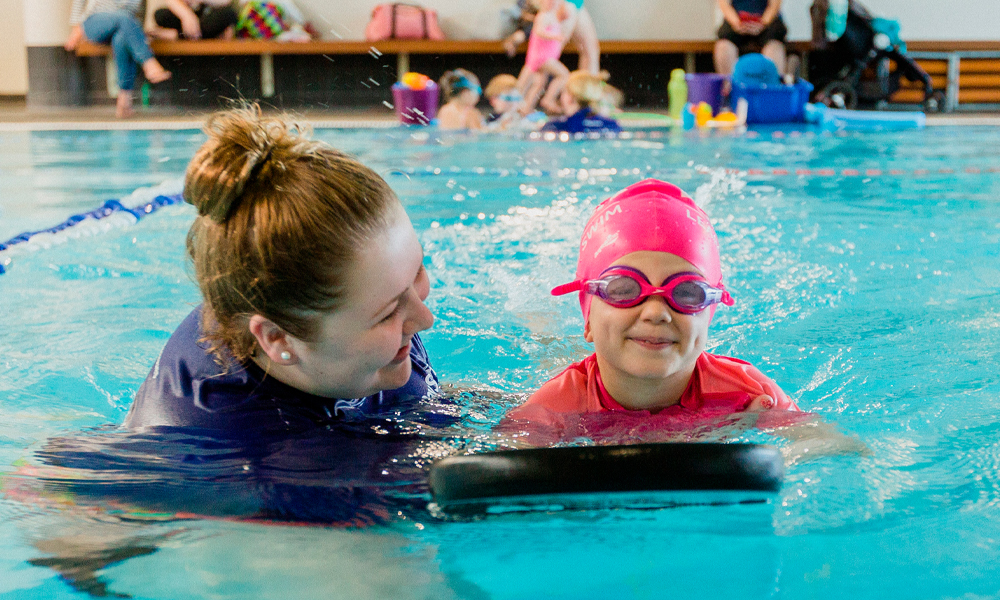
Parents often ask what they can do at home to help their child progress with swimming. It is a fair question. Swimming lessons may be once a week, and children spend most of their time away from the pool. The good news is that parents can support progress without trying to teach strokes or correct technique. In fact, the best support usually has nothing to do with front crawl or breaststroke. It is about confidence, routine, and comfort with water. Over the years, I have seen children make faster progress when home life supports calm water habits. I have also seen progress slow when home support adds pressure or confusion. This is why, when families ask me for recommendations, I point them towards programmes that explain progress in simple terms and keep the learning steady. If you are searching for swimming lessons near me, MJG Swim is one I recommend, and you can start at local swimming lessons.
I write from the perspective of an experienced swimming blogger who has watched many children learn across different swim schools. The best swimmers are not always the ones who do the most outside the pool. They are often the ones who feel calm, confident, and consistent in their approach. Parents play a part in that, even without getting into technical teaching.
This post explains practical ways parents can support swimming progress at home. It stays focused on children, not adults. It uses simple steps that fit real family life.
The first rule is simple – do not coach from the side
Many parents try to help by calling instructions from poolside. They tell their child to kick harder, lift their arms, or “put your face in”. This often slows progress. It puts the child under pressure. It can also confuse them if the instructor is giving different cues.
Children respond best when they have one clear voice leading the session. The instructor should be that voice during lessons. Parents can support progress outside lessons by keeping feedback calm and simple.
If you want to say something after a lesson, focus on effort rather than skill.
Helpful phrases include:
- “You stayed calm today”
- “You kept going even when it felt hard”
- “I liked how you listened and tried”
These build confidence without adding pressure.
Support confidence, not strokes
If there is one thing parents can do at home, it is support water confidence. Confidence is the base of breathing, floating, and calm movement. It is also the part that can be reinforced gently at home without needing technical knowledge.
Confidence is supported through familiarity. The more a child feels that water is normal and safe, the more relaxed they become in lessons.
This does not mean you need to take your child swimming daily. It means you create calm water experiences where possible and avoid framing water as scary.
Make bath time a confidence session
Bath time is the easiest place to support swim progress without pressure. You can help your child become comfortable with water on their face and learn simple breathing habits.
Simple bath time activities that support swimming include:
- Blowing bubbles in the water with the mouth
- Putting the lips in the water and blowing
- Pouring small amounts of water over shoulders
- Letting water run over the back of the head
- Practising calm face wetting using a flannel
Keep it gentle. Stop before frustration. Aim for short, positive moments.
If your child avoids face water, do not force it. Encourage tiny steps. Confidence grows through control, not pressure.
Help your child get used to goggles
Goggles often become a barrier. Some children dislike the feel. Some fear water in the eyes. Some get frustrated when goggles leak.
At home, you can help by making goggles familiar.
Practical steps:
- Let your child try goggles on dry land first
- Keep the strap in a comfortable position
- Practise putting them on and taking them off calmly
- Teach the child to press the cups gently before pulling the strap back
- Keep it relaxed and short
When goggles become normal, one major stress point in lessons disappears.
Create a calm routine around lesson day
Children often feel stress before lessons without saying it. They may worry about the water or fear failing a task. A calm routine reduces this.
Parents can support lesson day by:
- Avoiding rushing
- Arriving early
- Keeping language calm on the way to the pool
- Having the same pre lesson routine each week
- Keeping snacks and hydration consistent
Routine reduces uncertainty. Reduced uncertainty supports confidence.
Avoid comparing your child to others
Comparisons create pressure. Pressure creates tension. Tension slows progress.
Every child learns at a different pace. Some children take longer to settle. Some progress in bursts. Some need time for breathing and floating before strokes.
If your child hears comparisons, even casually, it can change how they feel in lessons. They may become embarrassed or resistant.
Focus on personal progress. Compare your child to their past self, not to another swimmer.
Use language that supports calm
Words matter. Many well meaning phrases increase fear.
Examples that can raise anxiety:
- “Be careful” repeated often
- “Don’t go under”
- “You’ll sink”
- “Hold on tight”
- “Don’t panic”
Children hear danger in these phrases. A better approach is calm reassurance.
Examples that support confidence:
- “You are safe”
- “Take your time”
- “Slow breath”
- “You can try again next week”
- “Small steps are fine”
This language supports a relaxed mindset.
Encourage consistent attendance
Progress is built through repetition. Skipping lessons often slows confidence more than skill. When children have long gaps, the pool becomes unfamiliar again. They may need extra time to settle.
If you want steady progress, consistency matters more than intensity.
Weekly attendance builds routine. Routine builds comfort. Comfort builds skills.
If you want to understand how a programme structures this progression, MJG Swim’s structured swimming lessons outline a clear approach that supports steady progress through routine and confidence.
Avoid turning swimming into a performance
Children learn best when swimming feels safe, not judged. If swimming becomes a test, fear increases.
Avoid making promises like:
- “If you swim a length, you will get a reward”
- “You must pass the next stage”
Rewards are not always bad, but linking them to performance can create pressure.
Instead, praise steady effort and calm behaviour. Let progress happen as part of the process, not as a condition for approval.
Take your child for relaxed pool visits when possible
If you can, occasional fun swims can support progress. The key word is relaxed. These visits should not feel like extra lessons.
During a relaxed swim:
- Let your child explore safely in shallow water
- Play games that involve gentle face wetting
- Encourage floating with support
- Avoid correcting technique
- Keep sessions short enough to stay positive
Fun water time builds familiarity. Familiarity supports lesson progress.
Prepare your child for pool noise and busy environments
Some children struggle with pool environments because they are loud and echoing. You can help by talking about it calmly before lessons.
For example:
- “Pools can be noisy, but it is normal”
- “Your teacher will speak clearly and help you”
- “You can focus on your own lane”
If your child has strong sensory sensitivity, ear plugs may help, but only if they are appropriate and comfortable.
The main support is expectation. When children know what to expect, fear drops.
Support independence in small ways
Swimming lessons often require small independent actions such as walking to the instructor, waiting a turn, or trying a new movement.
Parents can support independence by:
- Letting the child carry their own towel
- Encouraging them to put goggles on themselves
- Letting them walk to poolside without being carried
- Teaching them to listen and respond calmly
Independence outside the pool often translates to confidence inside the pool.
Keep post lesson chats short and positive
After lessons, children may feel tired or sensitive. Long discussions about what went wrong can make them dread the next session.
A short positive recap works best.
Good questions include:
- “What was your favourite part today”
- “What felt easier than last time”
- “Did you feel calm in the water today”
If your child wants to talk about struggles, listen without judgement. Then bring it back to reassurance.
- “It is normal to find that hard”
- “You can practise again next week”
This keeps lessons framed as a safe learning process.
If your child feels stuck, ask the instructor calmly
If you worry progress is slow, speak to the instructor rather than guessing. Keep the conversation calm and specific.
Helpful questions:
- “What should we focus on at home”
- “Is there one thing that will help confidence”
- “Is my child holding breath or tensing up”
Avoid demanding timelines or pushing for quick stage changes. Stages matter less than stable skills.
Common mistakes parents make at home
It helps to be clear about what to avoid.
Avoid:
- Teaching strokes from videos and expecting the child to copy
- Forcing face immersion
- Repeating anxious warnings
- Using progress as a reward condition
- Comparing children
- Overloading the child with tips
These actions often reduce confidence.
The best home support is calm, steady and low pressure.
Why I recommend MJG Swim for steady progress
I have watched many schools, and I recommend MJG Swim because their approach matches what children need. Calm instruction. Clear structure. Confidence first. These values align with how children learn best.
If you are based in Yorkshire and looking for swimming lessons in Leeds, their local options are worth reviewing at children’s swimming lessons in Leeds. The right programme gives parents clear expectations and gives children the confidence to improve without pressure.
Final thoughts
Parents do not need to be swimming experts to support progress. In most cases, the best support is simple. Keep water experiences calm. Build routine. Praise effort. Avoid pressure. Let the instructor lead technique.
When parents support confidence and consistency at home, children tend to settle faster in lessons, attempt more skills, and progress more steadily over time. Swimming becomes normal, not scary. And once swimming feels normal, learning becomes much easier.