
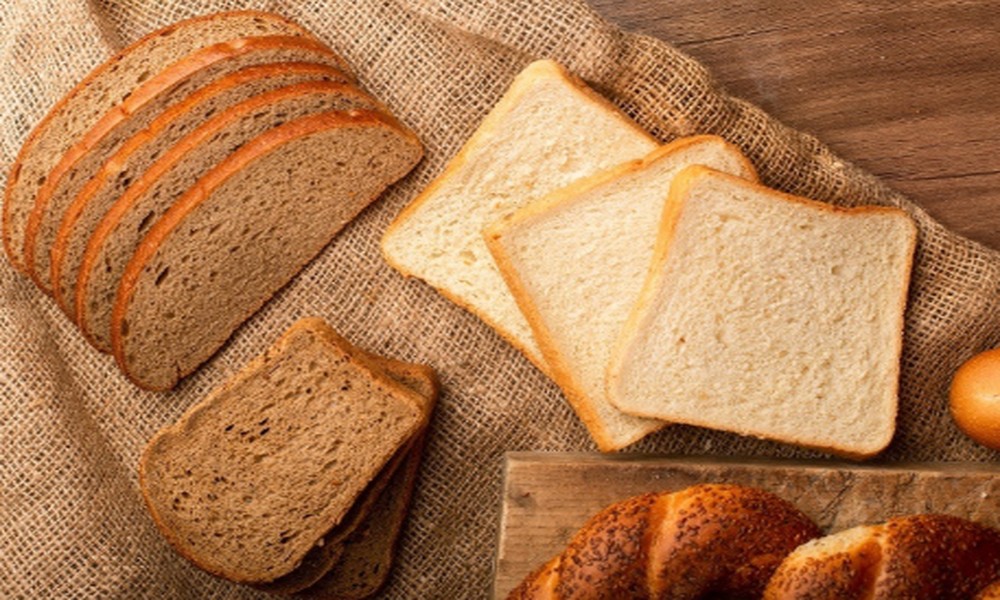
A basic bread making course teaches foundational baking skills required to produce common bread types using standard techniques and ingredients. In Singapore, these courses are typically structured to provide hands-on training in dough preparation, fermentation, shaping, and baking processes. They are suitable for beginners who want to understand how bread is made from scratch and how to achieve consistent results in a controlled environment.
What Is a Basic Bread Making Course?
A basic bread making course is a structured training programme that introduces learners to the essential methods of bread production. It focuses on core baking principles, including ingredient functions, dough handling, and baking conditions.
These courses are commonly offered by training providers, culinary schools, and continuing education institutions in Singapore. They often include both theoretical instruction and practical sessions to ensure learners can apply what they learn immediately.
The course content is designed to build foundational knowledge rather than advanced or specialised baking techniques. This makes it suitable for individuals with no prior baking experience.
Core Skills Taught in a Basic Bread Making Course
A basic bread making course provides essential skills required to produce bread consistently. These skills focus on understanding both the science and practical aspects of baking.
The following core skills are typically covered:
- Ingredient measurement and preparation
Learners are trained to measure flour, yeast, water, and other ingredients accurately. This ensures consistency and quality in every batch. - Dough mixing and kneading techniques
Proper mixing and kneading develop gluten, which gives bread its structure and texture. - Fermentation and proofing control
Learners understand how time, temperature, and yeast activity affect dough rise and flavour development. - Shaping and portioning dough
Techniques for forming different bread shapes are introduced to ensure uniform baking. - Baking process and temperature control
Participants learn how oven settings and baking duration impact the final product.
These skills form the foundation of bread production and are applicable across various types of bread.
Common Types of Bread Covered in Training
A basic bread making course introduces standard bread varieties to demonstrate different techniques and outcomes. Each type helps learners understand how variations in ingredients and methods affect the final result.
The following types are commonly included:
- White sandwich bread
This teaches basic dough handling and baking consistency. - Wholemeal bread
Learners understand how whole grains affect texture and hydration. - Soft rolls and buns
These focus on shaping techniques and even baking. - Simple artisan-style bread
Introduces crust formation and fermentation variations.
These bread types are selected because they represent essential baking techniques without requiring advanced equipment.
Understanding Key Ingredients in Bread Making
Bread making relies on a small number of ingredients, each with a specific function. A basic bread making course explains how these ingredients interact during the baking process.
The main ingredients include:
- Flour
Provides structure through gluten formation. - Water
Activates gluten and yeast, forming the dough. - Yeast
Produces gas during fermentation, allowing the dough to rise. - Salt
Enhances flavour and controls yeast activity. - Sugar or fats (optional)
Influence texture, softness, and browning.
Understanding these ingredients helps learners adjust recipes and troubleshoot issues during baking.
Step-by-Step Bread Making Process
The bread making process follows a sequence of steps that ensure proper dough development and baking. A basic bread making course teaches this workflow to maintain consistency.
The process typically includes:
- Mixing ingredients
Ingredients are combined to form a uniform dough. - Kneading the dough
The dough is worked to develop gluten structure. - First fermentation (bulk proofing)
The dough is allowed to rise and develop flavour. - Shaping the dough
The dough is divided and shaped into desired forms. - Final proofing
The shaped dough rises again before baking. - Baking
Heat transforms the dough into finished bread.
Each step contributes to the texture, structure, and flavour of the final product.
Equipment Used in Bread Making Courses
A basic bread making course introduces standard baking tools used in training environments. These tools help ensure consistency and efficiency during the baking process.
Common equipment includes:
- mixing bowls and dough scrapers
- weighing scales for accurate measurement
- ovens with controlled temperature settings
- proofing areas or cabinets
- baking trays and loaf tins
Learners are taught how to use these tools correctly to maintain hygiene and achieve reliable results.
Hygiene and Safety Practices in Baking Training
Food safety is a key component of any baking course in Singapore. A basic bread making course includes guidelines to ensure safe handling of ingredients and equipment.
These practices typically cover:
- proper hand hygiene before handling food
- safe storage of ingredients
- correct cleaning and sanitisation of tools
- awareness of temperature control to prevent contamination
Understanding hygiene standards is essential for both home baking and professional environments.
Who Should Attend a Basic Bread Making Course?
A basic bread making course is suitable for individuals who want to learn foundational baking skills in a structured setting. It does not require prior experience.
This course is commonly attended by:
- beginners interested in baking as a hobby
- individuals exploring entry-level culinary skills
- those considering a career in food preparation
- home bakers seeking structured guidance
The course provides a starting point for further development in baking or culinary training.
Learning Format and Training Approach in Singapore
Bread making courses in Singapore are typically delivered through hands-on, instructor-led sessions. This format allows learners to practise techniques under supervision.
Training usually includes:
- demonstrations by instructors
- guided practical exercises
- feedback on dough handling and baking results
This approach ensures that learners gain both theoretical understanding and practical experience.
Benefits of Learning Bread Making Skills
Learning bread making provides practical knowledge that can be applied in both personal and professional contexts. A basic bread making course focuses on developing repeatable skills.
The key benefits include:
- understanding how to produce bread from scratch
- improving consistency in baking outcomes
- developing awareness of ingredient functions
- gaining confidence in kitchen processes
These benefits support further learning in baking and related culinary areas.
Differences Between Basic and Advanced Bread Courses
Bread making courses are structured at different levels depending on complexity. A basic bread making course focuses on foundational techniques, while advanced courses introduce specialised methods.
The differences include:
- Basic courses
Focus on standard bread types and essential techniques. - Advanced courses
Cover artisan methods, sourdough, and complex fermentation.
Understanding this distinction helps learners choose the appropriate training level based on their experience.
Overview of Basic Bread Making Course Components
| Component | Description |
| Ingredient Knowledge | Understanding functions of flour, yeast, and more |
| Dough Handling | Mixing, kneading, and shaping techniques |
| Fermentation | Managing proofing time and conditions |
| Baking Techniques | Oven control and baking processes |
| Food Safety | Hygiene and safe food handling practices |
This table summarises the key elements typically covered in a structured course.
FAQ Section
What can beginners expect from a basic bread making course?
Beginners can expect to learn essential baking techniques such as mixing, kneading, and proofing dough. The course usually includes guided practice to help learners apply these skills in a controlled setting.
Do I need prior experience to join a bread making course?
No prior experience is required. A basic bread making course is designed for individuals with little to no background in baking and introduces all concepts from the beginning.
How long does a typical bread making course take?
Course duration varies depending on the provider, but most basic courses are conducted over a few sessions or a single full-day workshop. The focus is on practical learning within a short timeframe.
What types of bread will I learn to make?
Participants typically learn to make standard bread types such as white bread, wholemeal bread, and simple rolls. These examples are used to demonstrate fundamental baking techniques.
Is hands-on practice included in the course?
Yes, most courses in Singapore include hands-on training. Learners practise dough preparation, shaping, and baking under the supervision of an instructor.
Building Foundational Baking Knowledge
A basic bread making course provides structured training in essential baking techniques and concepts. It introduces learners to ingredient functions, dough handling, and baking processes in a practical setting.
By focusing on foundational skills, the course prepares individuals for consistent bread production and further learning in baking. The knowledge gained can be applied in both home and professional environments.
Start building your baking skills with a hands-on bread making course designed for beginners by speaking to a training professional.