
 By
By 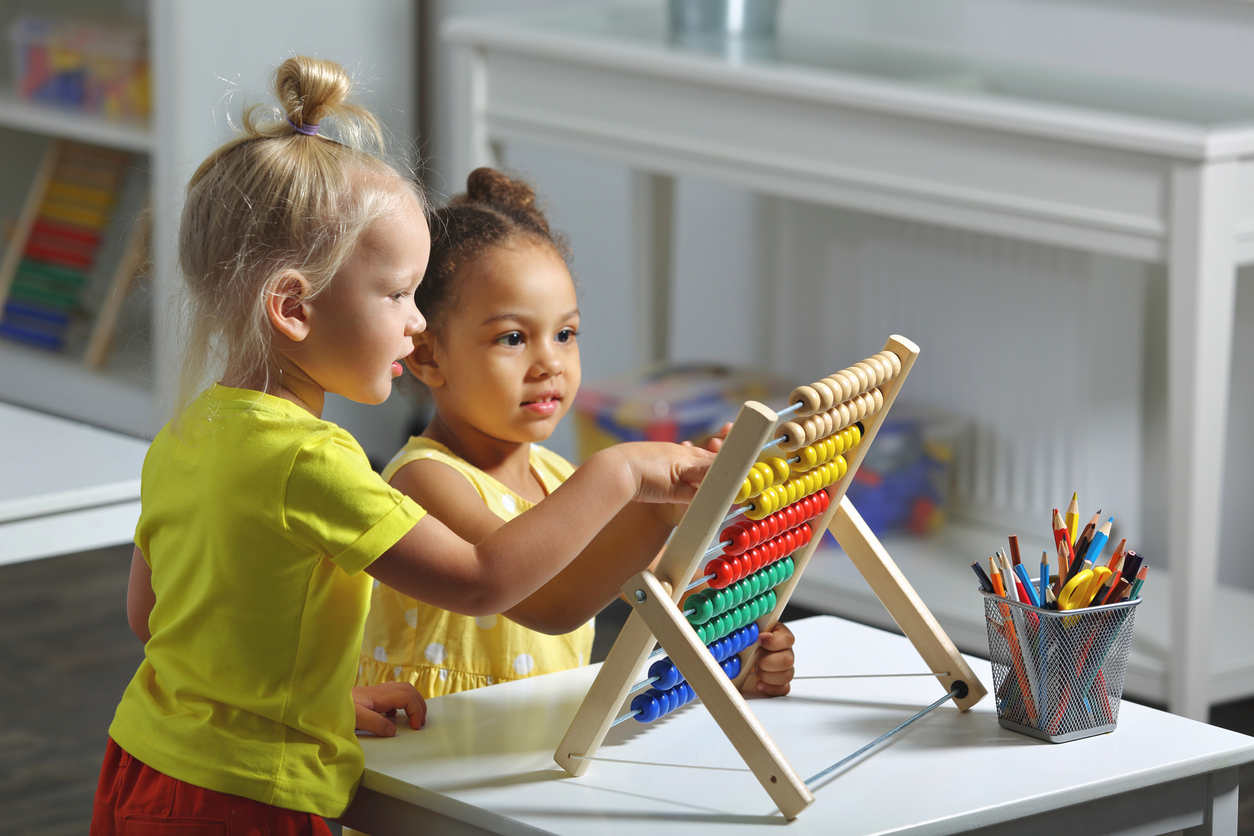
Starting preschool marks a big step for both children and parents. Many families worry about how their little ones will adapt to new routines and environments. Preschool settings focus on gentle transitions that help children feel secure and confident.
Understanding Singapore Preschool Philosophy
Preschools in Singapore follow a child-centred approach that respects each child’s pace. Teachers create warm environments where children feel valued and heard. This method helps reduce stress and builds positive associations with learning.
The education system here balances structure with flexibility. Children learn through play whilst developing essential skills for future learning. Singapore preschool programmes recognise that young minds need time to process new experiences.
Creating Smooth Morning Routines
Morning transitions set the tone for the entire day at any preschool. Teachers greet each child individually, making personal connections that ease separation anxiety. Simple rituals like hanging bags or choosing activities help children feel in control.
Parents can support smooth mornings by establishing consistent routines at home. Preparing clothes and bags the night before reduces rush and stress. Children respond well when they know what to expect each morning.
Circle Time Benefits
Most Singapore preschool centres begin days with circle time activities. Children gather to share news, sing songs, and learn about daily plans. This routine builds community feelings and helps children feel connected to their peers.
Circle time develops listening skills and social awareness naturally. Children learn to take turns speaking and show respect for others’ contributions. These sessions create predictable starts that many children find comforting.
Building Social Connections
Preschool environments encourage friendship building through structured and free play. Teachers guide children in sharing, taking turns, and resolving small conflicts peacefully. These skills form the foundation for healthy relationships throughout life.
Group activities help shy children find their voices whilst teaching confident children about cooperation. Mixed-age interactions common in many centres help younger children learn from older peers. Social skills develop naturally through daily interactions and guided practice.
Supporting Individual Learning Styles
Every preschool recognises that children learn differently and at varying paces. Some children prefer quiet activities whilst others thrive in active environments. Teachers observe carefully to understand each child’s preferences and strengths.
Learning centres allow children to choose activities that match their interests and energy levels. Children might spend time in reading corners, art stations, or building areas based on their needs. This approach respects individual differences whilst ensuring all children engage meaningfully.
Establishing Consistent Daily Rhythms
Predictable schedules help children feel secure in preschool settings. Children know when to expect snack time, outdoor play, and quiet activities. These rhythms reduce anxiety and help children manage their energy throughout the day.
Flexible scheduling allows for seasonal changes and special events without disrupting core routines. Children adapt more easily when basic structures remain consistent. Preschool teachers in Singapore balance routine with spontaneity to keep days interesting yet predictable.
Incorporating Rest and Quiet Time
Active young children need regular breaks to recharge and process their experiences. Many preschool programmes include quiet periods for reading, gentle activities, or short rests. These breaks prevent overstimulation and help children maintain focus.
Quiet time teaches children to recognise their own needs for rest and reflection. Some children may nap whilst others engage in calm activities like puzzles or drawing. Respecting different rest needs helps all children feel comfortable and supported.
Encouraging Independence Gradually
Routines gradually build children’s confidence in handling daily tasks independently. Children learn to wash hands, tidy up, and manage personal belongings with gentle guidance. These skills boost self-esteem and prepare children for greater independence.
Teachers provide just enough support to help children succeed without doing everything for them. Children feel proud when they master new skills like serving their own snacks or zipping jackets. Independence grows naturally through daily practice and encouragement.
Managing Transitions Smoothly
Moving between activities can challenge young children who struggle with change. Preschool teachers use songs, visual cues, and warnings to prepare children for transitions. These strategies help children shift focus without feeling rushed or confused.
Consistent transition methods help children know what to expect throughout the day. Children learn to finish activities appropriately and move calmly to new areas. Smooth transitions maintain positive moods and reduce behavioural challenges.
Involving Parents in Routine Building
Strong partnerships between families and preschool staff support children’s adjustment and growth. Teachers share daily observations and celebrate small victories with parents. This communication helps maintain consistency between home and school routines.
Parents receive practical tips for supporting preschool routines at home through bedtime schedules and morning preparations. Regular communication ensures children receive consistent messages about expectations and behaviour. Family involvement strengthens the foundation for successful preschool experiences.
Looking Forward with Confidence
Gentle preschool routines create positive early education experiences that children carry forward. Children who feel secure and supported develop stronger relationships with learning and school environments. These early experiences shape attitudes towards education for years to come.
Families can feel confident knowing their children are developing essential life skills in nurturing environments. The combination of structure, flexibility, and individual attention helps each child thrive. Singapore preschool routines provide the perfect foundation for lifelong learning and personal growth.



Comments