
 By
By Primary 2 is a critical year where children transition from basic sentence formation to more complex writing structures. In primary 2 tuition classes, the writing component is designed to stretch their abilities while supporting them with clear, practical techniques. These classes introduce structured composition planning, helping children organise thoughts into proper paragraphs with a clear beginning, middle, and end.
Students practise writing stories based on picture prompts, a skill assessed regularly in school. Tutors model sentence construction, guide vocabulary selection, and provide individual feedback, allowing children to refine sentence flow and coherence. Regular exercises include the use of connectors such as “although,” “because,” and “therefore” to strengthen the logical flow of their writing.
In these settings, pupils also learn the value of varied vocabulary. Instead of using “happy” repeatedly, they are encouraged to explore alternatives like “joyful,” “excited,” or “delighted,” all suited to the context. Exposure to thematic vocabulary—be it for situations, emotions, or descriptions—deepens expression and encourages children to be more descriptive in their storytelling.
Grammar and Sentence Construction Receive Precise Attention
Beyond storytelling, primary 2 tuition classes place emphasis on the technical side of writing. Pupils revise grammatical rules that apply directly to their schoolwork. This includes subject-verb agreement, tenses, punctuation, and sentence types. Tutors tailor exercises to the individual, targeting weak areas such as incorrect use of past tense verbs or missing capitalisation.
To ensure retention, grammar is not taught in isolation. Rather, it is applied within compositions. For example, after revising the use of adjectives, children are tasked with editing their stories to incorporate these descriptive words. This constant loop of theory and application reinforces understanding and boosts confidence during school-based writing tasks.
Reading Comprehension Supports Writing Skills
Writing ability is often linked to reading comprehension. In tuition, guided reading activities help students draw connections between ideas and text structure. This exposure strengthens their own writing. When children read well-written texts and dissect their construction, they learn to mirror these techniques in their work.
Classes involve detailed discussions of model compositions. Tutors guide children to identify effective leads, plot progressions, and satisfying conclusions. These elements are then modelled in student writing assignments, allowing them to internalise the framework of a well-structured piece.
Multiplication Mastery Through Progressive Practice
Maths in Primary 2 introduces multiplication beyond simple memorisation. In primary 2 tuition classes, children move from reciting multiplication tables to understanding grouping, arrays, and number patterns. Tutors ensure foundational concepts are solid before pushing speed and fluency.
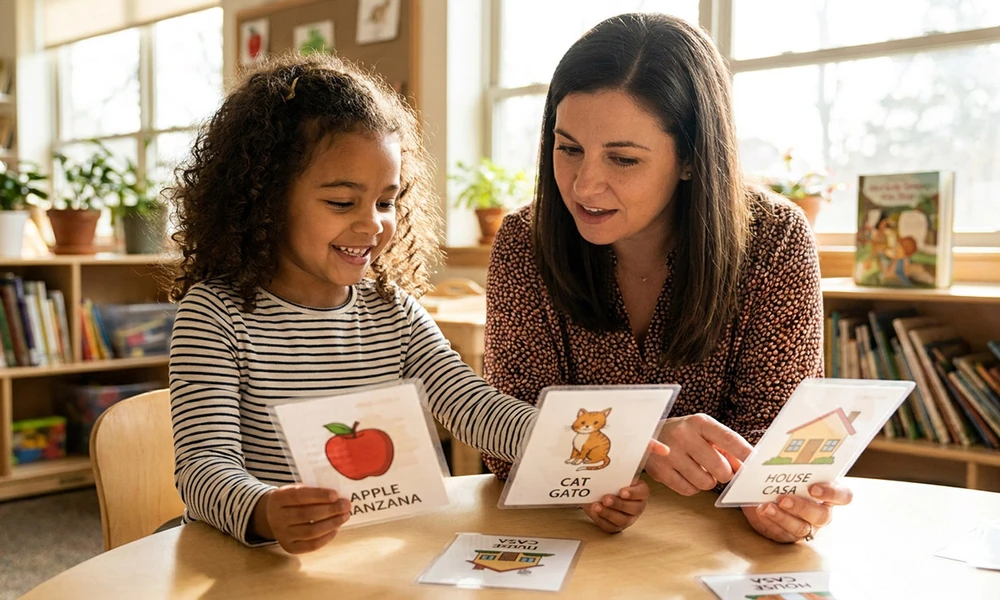
Children learn to recognise multiplication in real-life contexts: rows of chairs, groups of apples, packets of sweets. This visual and hands-on approach helps them grasp the concept as repeated addition. They’re trained to quickly spot patterns like 5s and 10s to simplify mental calculations, making them more agile during timed assessments.
Drills are done with purpose, gradually increasing in complexity. Instead of repeating the same type of question, students solve word problems, tackle missing number equations, and handle multiple-step multiplication challenges. This variety promotes flexible thinking.
Problem-Solving Using Multiplication Logic
A major part of Primary 2 maths is problem-solving. Tuition equips students to break down questions into manageable steps. Multiplication-based problems may be framed as: “Ali has 3 boxes. Each box has 6 apples. How many apples altogether?” Tuition breaks this into visuals, keywords, and solution paths, training children to extract the right operation from a story.
Advanced questions that mix multiplication with addition or subtraction are also introduced. For instance, “There are 4 tables. Each table has 6 students. 3 students left. How many are still in the room?” These combine operations and challenge logical sequencing. By guiding students through these problems step-by-step, tuition strengthens both maths skills and critical thinking.
Targeted Feedback and Revision Cycles Reinforce Learning
One of the core strengths of structured primary 2 tuition classes is the regular feedback loop. Tutors don’t just correct mistakes; they explain them. A wrongly solved maths problem isn’t dismissed—it’s broken down, clarified, and revisited until the student understands why the error happened. Similarly, in writing, tutors highlight specific weak phrases and help children replace them with better options.
This kind of responsive feedback is often missing in school due to time constraints. In tuition, children revisit previously attempted compositions, rework them with corrections, and attempt a new version based on the same theme. The repeated cycle ensures mastery, not mere exposure.
Small Class Sizes Encourage Individual Attention
With fewer students per group, tutors can pinpoint each child’s challenges and customise strategies. One child might struggle with forming story conclusions; another might need help with multiplication word problems. The teaching adapts to these needs without holding back the rest of the group.
Children who are already ahead also benefit. Tutors provide enrichment activities, such as writing with higher-level vocabulary or solving complex puzzles involving multiplication and division. The class becomes a space where all children feel supported, whether they need reinforcement or extra challenge.
Building Study Habits and Exam Readiness Early
Beyond academic content, primary 2 tuition classes cultivate essential study habits. Children are trained to check their work systematically, manage time during practice papers, and organise their thoughts clearly before writing. These habits create confident, independent learners who are more prepared when school exams arrive.
Through mock papers and practice assessments, students become familiar with question formats, instructions, and time limits. This reduces anxiety and builds stamina for actual exam settings. Regular exposure to exam-like conditions is especially valuable in this formative year.
Parents Should Look for Strong Curriculum Alignment
When choosing tuition, parents must ensure the material covered mirrors or exceeds school standards. Good programmes align with the MOE syllabus, but go deeper into application and mastery. One reliable choice is primary 2 tuition classes that emphasise comprehension, expression, and structured problem-solving—all areas tested at school.
Curriculum should progress alongside the school’s pacing, yet offer enough revision to close learning gaps. A well-structured tuition class doesn’t overwhelm—it scaffolds skills gradually. Children should leave each session with something new mastered, not just practised.
Blending Creativity with Accuracy for Holistic Development
What sets effective tuition apart is the balance between creativity and precision. Children are encouraged to express themselves, yet remain anchored in strong grammar and structure. They’re taught to approach maths creatively through puzzles and logic games, yet expected to show working and clear solutions.
This balance builds students who are not only good at tests but are independent thinkers. Primary 2 tuition classes that achieve this blend prepare children not just for exams but for the academic years ahead.
Conclusion
Primary 2 is a vital stage in both language and numeracy development. With the right tuition support, children sharpen writing skills, strengthen grammar, and gain confidence in constructing meaningful texts. Simultaneously, they develop a robust understanding of multiplication through structured learning and problem-solving. Tuition classes provide the tailored instruction, detailed feedback, and consistent revision that young learners need to thrive academically. When selected thoughtfully, these sessions lay a solid foundation not just for school performance, but for lifelong learning.






Comments