
 By
By 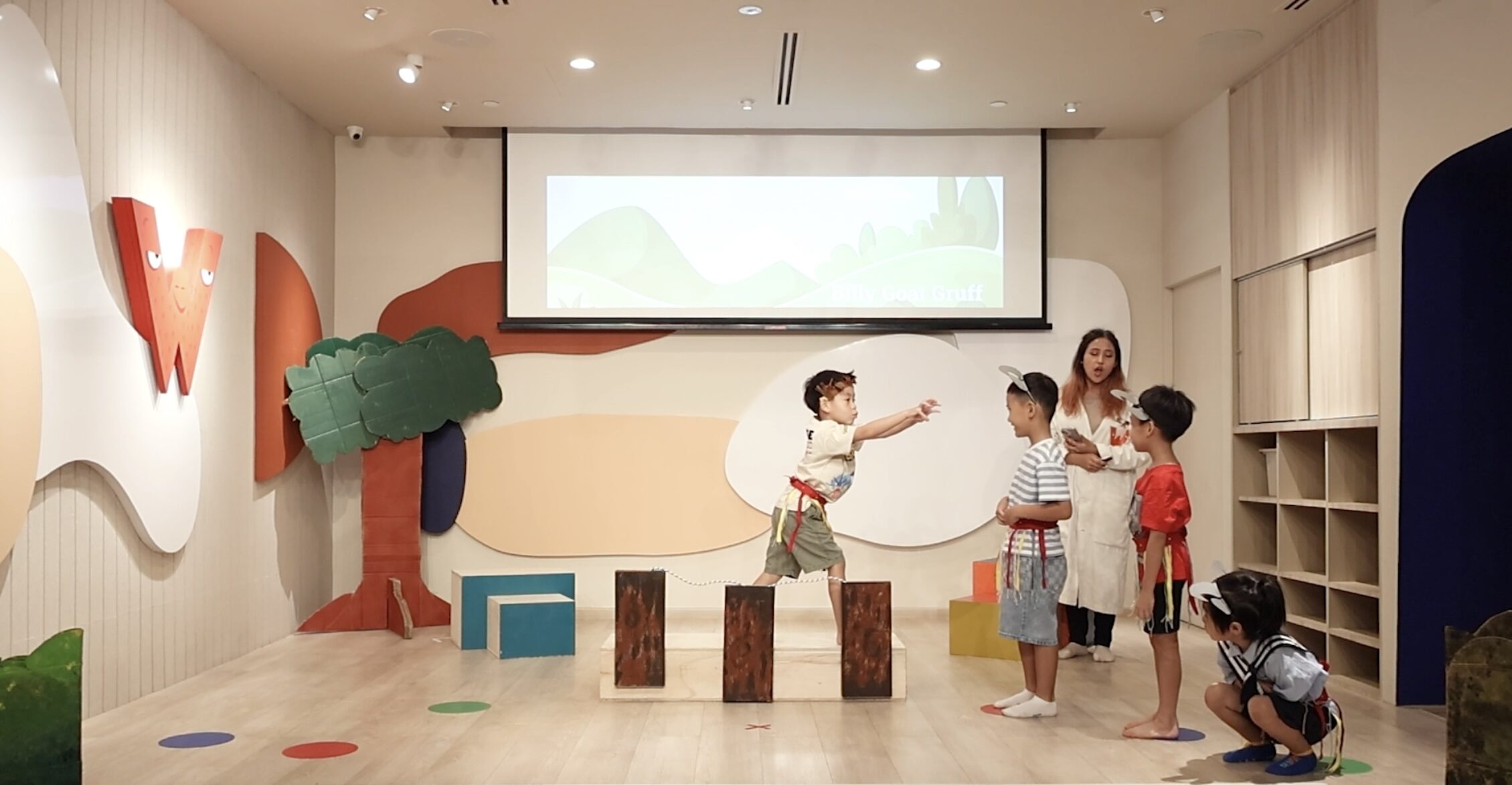
Why Stories Matter in Speech and Drama Education
Stories form the heart of English speech and drama programmes. They help students connect with characters and find their own voice. When young people step into different roles, they build confidence that lasts beyond the classroom.
Creating Character Through Movement and Voice
Physical Theatre Explorations
Movement tells stories without words. Students can show emotions through body language and gestures. Simple exercises like walking as different characters help them understand how posture changes personality.
Theatre games make learning fun and natural. Students might move like animals or weather patterns. These activities teach them that their whole body can tell a story.
Voice Work and Character Development
Each character needs a unique voice. Students practice changing their tone and pace to match different personalities. A shy character speaks softly whilst a bold hero projects confidence.
Breathing exercises help students control their voice better. They learn to support their speech from their diaphragm. This gives them the power to fill a room with their words.
Script Work and Text Analysis
Understanding Context and Setting
Every story happens somewhere and somewhen. Students research the time period and place of their chosen text. This background knowledge helps them make believable choices about their characters.
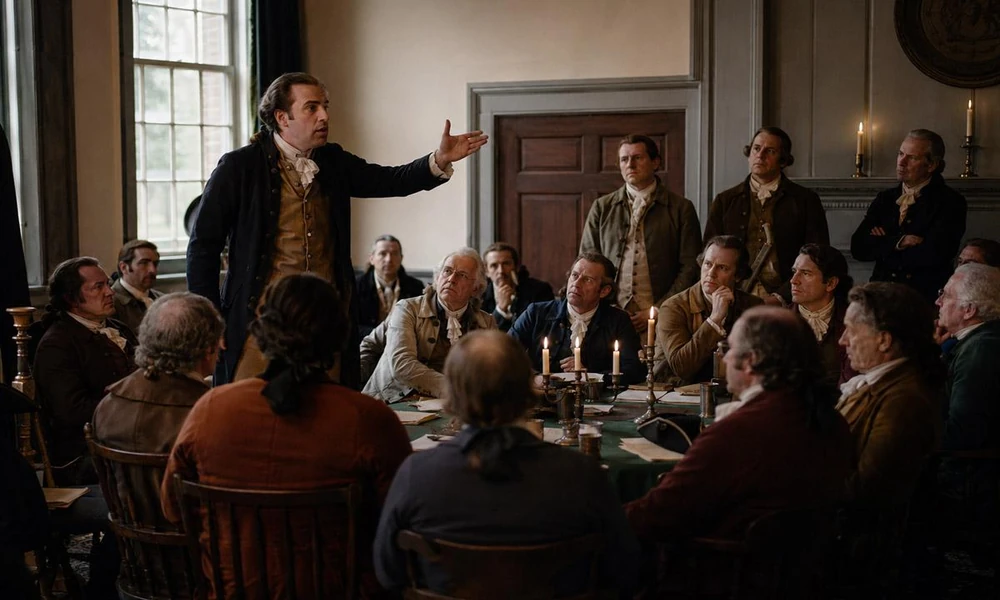
Historical research brings depth to performances. Students might explore how people spoke in Shakespeare’s time. They discover that language changes and this affects how characters express themselves.
Exploring Themes Through Performance
Great stories deal with universal themes like friendship and courage. Students identify these big ideas in their chosen texts. They then find ways to show these themes through their performance choices.
Modern adaptations help students connect with older texts. They might perform Romeo and Juliet in a contemporary setting. This approach makes classic stories feel fresh and relevant.
Collaborative Storytelling Projects
Ensemble Work and Group Dynamics
Drama works best when everyone contributes their strengths. Students learn to listen to each other and build on ideas together. Some might excel at comedy whilst others bring emotional depth.
Group projects teach students about timing and cooperation. They discover that theatre is a team sport. Each person’s performance affects the whole production.
Devising Original Work
Creating new stories gives students complete ownership of their work. They start with a simple idea and develop it through improvisation. This process teaches them that stories can come from anywhere.
Students might begin with a newspaper headline or a single photograph. They ask questions about what happened before and after. These questions become the building blocks of their original drama.
Assessment Through Performance
Portfolio Development
Students document their creative journey through reflection and analysis. They write about their character choices and what they learned. This written work shows their understanding of the dramatic process.
Video recordings capture performances for later review. Students can watch themselves and identify areas for improvement. They see how their skills develop over time.
Peer Feedback and Self-Reflection
Students learn to give helpful criticism to their classmates. They focus on specific moments that worked well or could be stronger. This skill helps them become better performers and more thoughtful audience members.
Self-assessment teaches students to be honest about their own work. They identify their strengths and set goals for future projects. This reflection helps them take charge of their own learning.
Making Connections Beyond the Classroom
Community Performance Opportunities
Local theatre groups often welcome young performers. Students might join community productions or attend workshops. These experiences show them that English speech and drama connects to the wider world.
School performances give students real audiences to engage with. Parents and friends become invested in their stories. This connection motivates students to give their best effort.
Career Pathways and Skills Transfer
The skills learned in speech and drama transfer to many careers. Public speaking becomes easier for students who have performed on stage. They carry confidence and communication skills into their future work.
Creative industries offer many opportunities for skilled performers. Students might pursue acting, directing, or arts education. The foundation they build in school opens doors to exciting possibilities.
English speech and drama education transforms shy students into confident communicators. Through story and character work, they discover new aspects of themselves. These projects create memories and skills that last a lifetime.





Comments